
Cut-Resistant Gloves
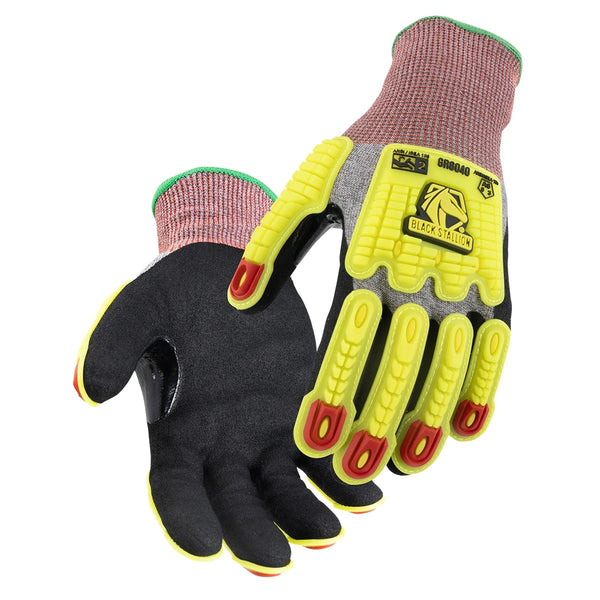
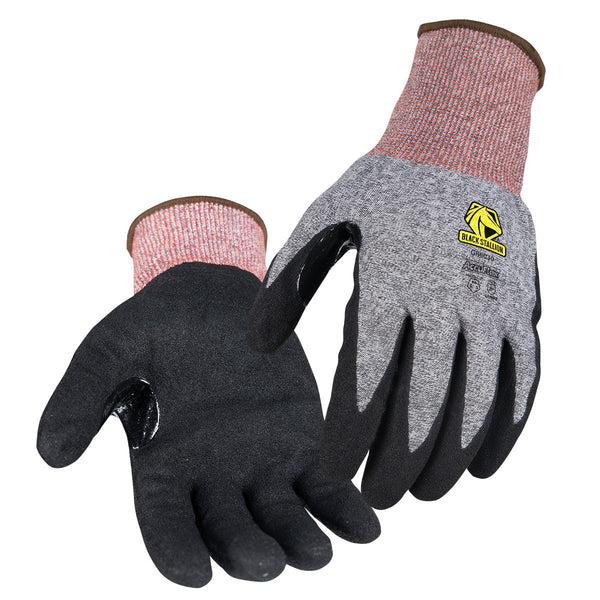
Fresh-cut steel, sheet metal and broken glass can slice through a regular work glove. These gloves are built with HPPE, Kevlar and steel-core yarns, and carry ANSI cut ratings so you can match the protection to the edge you're handling.

Special Offers
-

Vendor: Black Stallion
7 oz FR 88/12 Work Shirt (NFPA 2112 / 70E), Stone
Regular price From $60.99 -


Vendor: Black Stallion
BSX Men's Work Shirt (NFPA 2112 / 70E), Black
Regular price From $64.99 -


Vendor: Black Stallion
AngelFire Women's Work Shirt (NFPA 2112 / 70E), Black
Regular price From $52.99 -


Vendor: Black Stallion
7 oz FR Cotton Work Shirt With Reflective (NFPA 2112 / 70E), Stone
Regular price From $75.99


Buying guide
How to choose a cut glove
Start with the cut level, then pick the coating and gauge that fit how you work.
Cut level
ANSI/ISEA 105 rates cut resistance from A1 to A9. The higher the number, the more force it takes to cut through. Match it to the sharpest edge you handle.
Coating
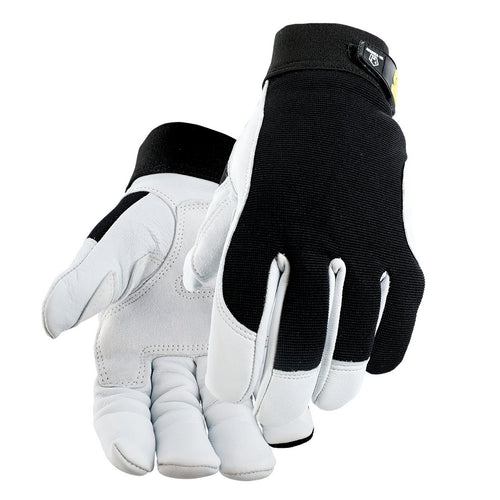
Sandy nitrile grips in oil. Latex grips well in dry conditions. Neoprene adds chemical resistance. Leather palms add durability and some heat protection.
Gauge
Gauge (G) is how fine the knit is. An 18G glove is thinner and more dexterous than a 13G glove, which is thicker and often more durable.
Impact protection
Some cut gloves add TPR (thermoplastic rubber) pads on the back of the hand to protect against pinches and knocks.
Reference
ANSI cut levels at a glance
Grams are the force a blade needs to cut through the material in the ANSI/ISEA 105 test. These are general starting points, not a substitute for your site's hazard assessment.
| Level | Grams to cut | Typical work |
|---|---|---|
| A1-A3 | 200 to 1,499 g | Light handling, small parts, low-risk assembly |
| A4-A5 | 1,500 to 2,999 g | Sheet metal, HVAC, glass and general fabrication |
| A6-A7 | 3,000 to 4,999 g | Stamping, metal recycling, sharp-edged parts |
| A8-A9 | 5,000 g and up | Heavy sheet, sharp blades, the highest cut risk |
Good to know
Why HPPE shows up everywhere
HPPE (high-performance polyethylene) is a strong, lightweight fiber that's cool to the touch and very cut resistant for its weight. It's blended with other yarns to reach higher cut levels without making the glove bulky.
HPPE doesn't handle heat well, so it's not a welding glove material. For hot work with cut risk, look at Kevlar-lined leather gloves instead.
Know the edge. Match the level.


FAQ
Cut glove questions
What cut level do I need?
It depends on the edges you handle. Many sheet metal and fabrication jobs start around A4. Sharper or heavier work often calls for A6 and up. Your safety lead or hazard assessment should set the minimum.
Are cut-resistant gloves cut proof?
No. They reduce the chance and severity of cuts. A high cut level doesn't protect against punctures or serrated blades unless the listing says so.
What's the difference between ANSI and EN 388 cut ratings?
ANSI/ISEA 105 is the US standard using the A1 to A9 scale. EN 388 is the European standard and uses its own letters and numbers. Our listings show the ANSI level.
Can I wash cut-resistant gloves?
Many knit and coated gloves can be washed, but follow the product's care notes. Avoid bleach and high heat, which can weaken fibers.
Do you sell cut gloves by the case?
Yes. For crews and plants, reach out through our Bulk Orders page and we'll quote by the dozen or case.
Need help setting a cut level for your crew?
Tell us the job and we'll point you to the right gear. Real answers from people who know welding PPE.